

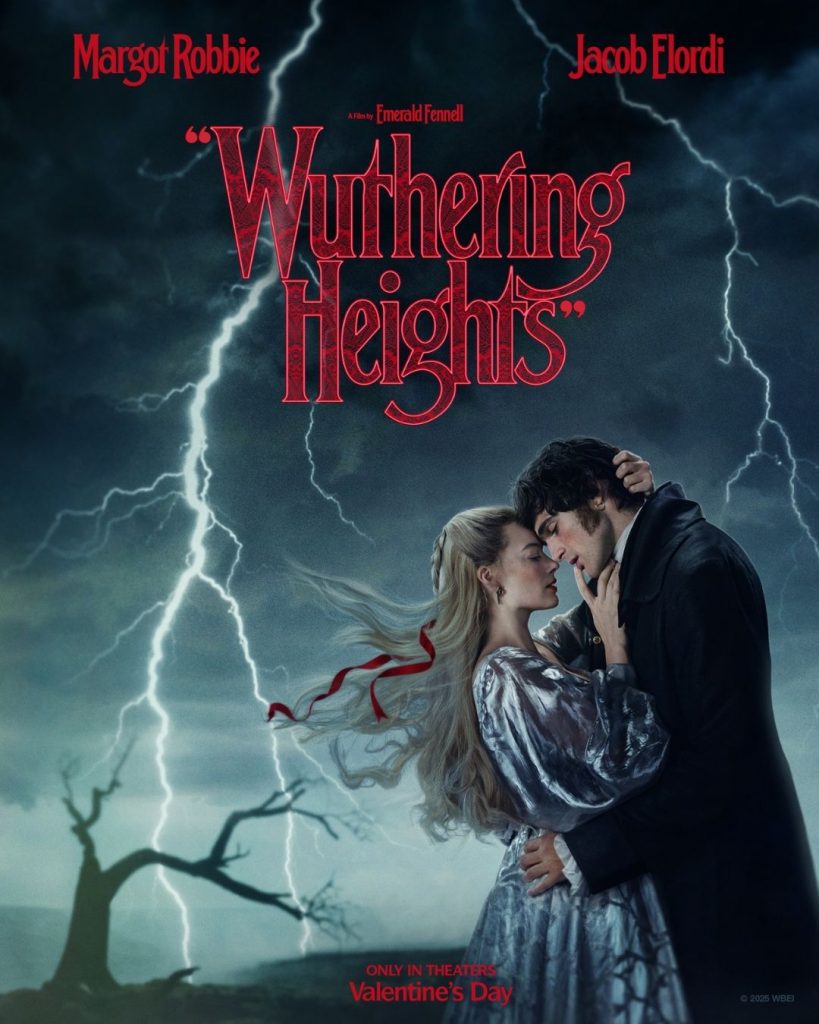
Wuthering Heights (2026) is Warner Bros.’ opening film of 2026, marking the bold return of the literary masterpiece Wuthering Heights under the direction of Emerald Fennell. Although not the first adaptation of Emily Brontë’s classic novel, the film quickly generated heated debate from its very first scenes.
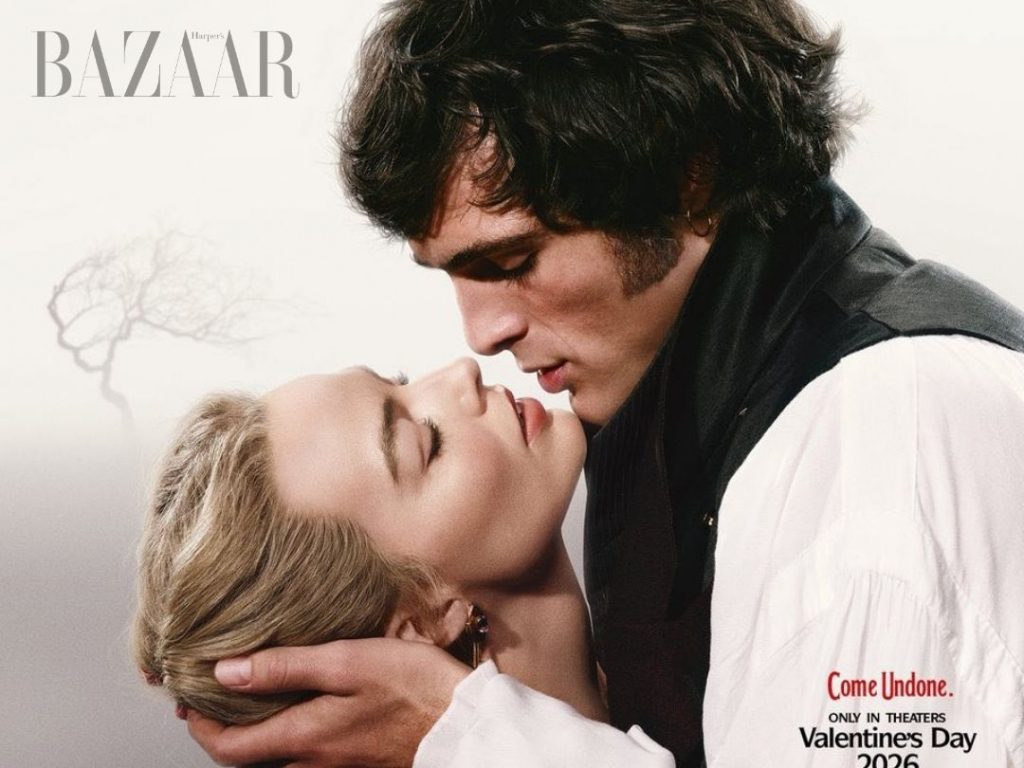
Unlike the melancholic and somber atmosphere often seen in previous versions, Wuthering Heights 2026 delivers a more explosive, wild, and intense emotional experience. Emerald Fennell doesn’t simply recreate history, but transforms the tragic story into a journey of instinct, desire, and revenge. The selection of top Hollywood actors and a fantasy-infused visual style contribute to a completely new look for this nearly 200-year-old work.
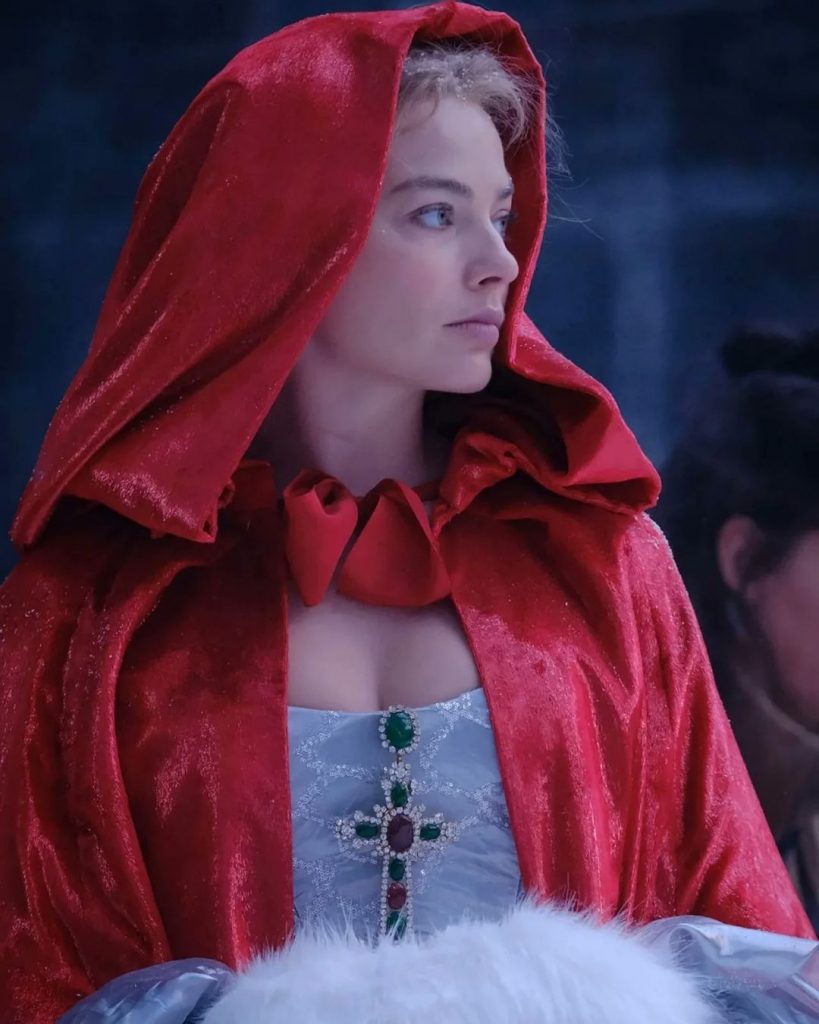
The film revolves around the lives of Catherine Earnshaw and Heathcliff. The story begins when Mr. Earnshaw brings home an orphan boy named Heathcliff, thus forming a fateful bond between him and Catherine. They grow up together amidst the windswept meadows of Yorkshire, developing a passionate love that transcends class boundaries. However, jealousy, misguided choices, and societal prejudices plunge them into a cycle of hatred that spans generations, turning their love into an endless obsession.
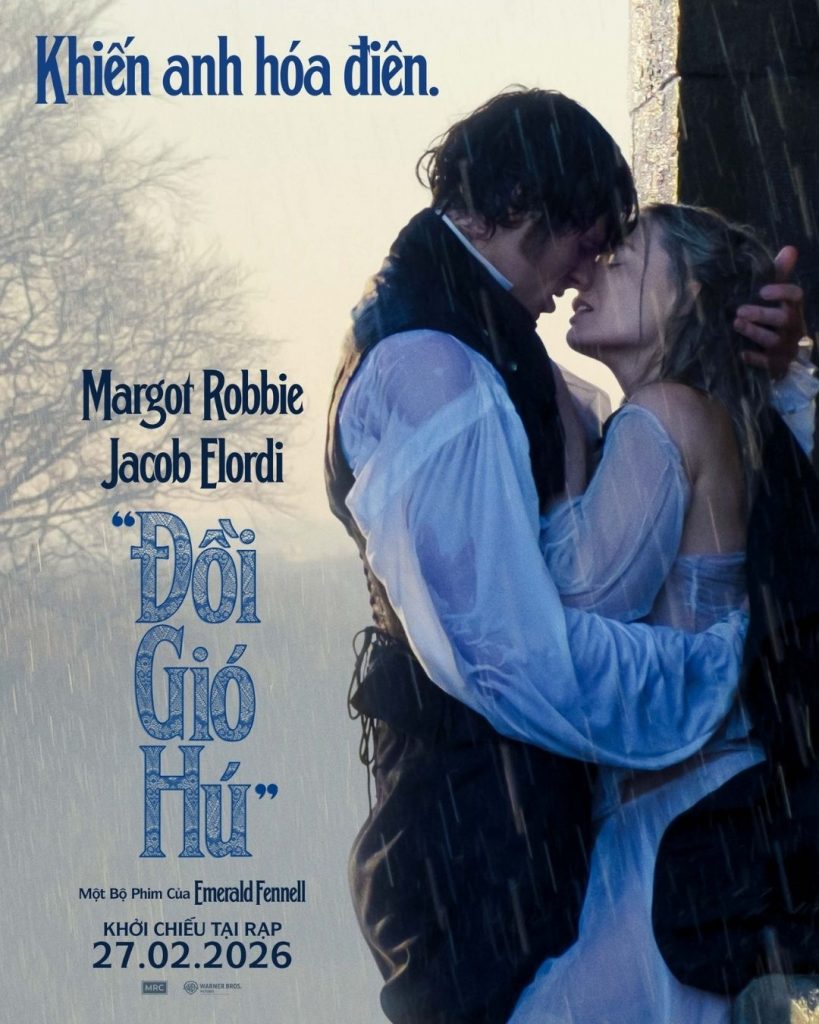
Jacob Elordi plays Heathcliff, a melancholic, passionate, and ruthless character. Elordi’s casting was controversial, but the actor himself affirmed that Emerald Fennell’s vision would deeply move audiences. Conversely, Margot Robbie embodies Catherine Earnshaw, a character who is both seductive and rebellious, yearning for freedom within the harsh constraints of contemporary society. In this version, Catherine is portrayed as the embodiment of desire and a yearning to live life to the fullest.
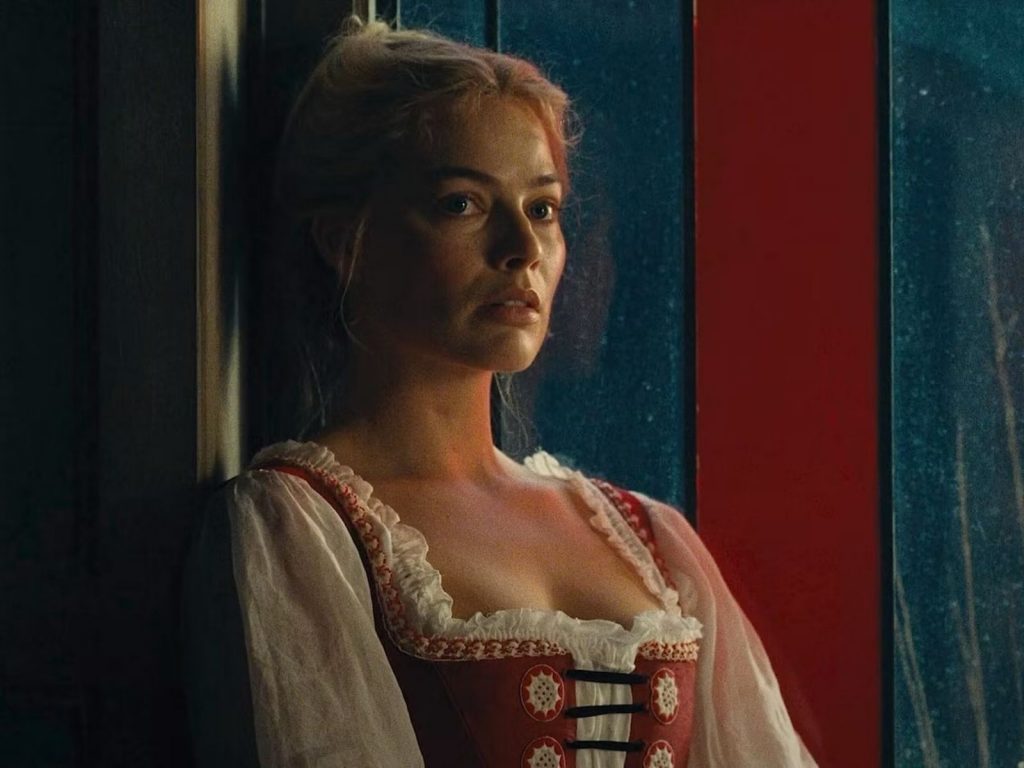
The supporting cast also plays a crucial role in expanding the depth of the tragedy. Edgar Linton is the perfect counterpoint to Heathcliff, representing social stability and order. Isabella Linton offers a different perspective on blind love and emotional dependence. Nelly Dean, the housekeeper and central narrator, not only observes but also contributes to explaining the class, power, and gender rifts in the world of Wuthering Heights. The younger versions of Heathcliff and Catherine add depth to the story, clarifying the origins of the lasting traumas that plague their lives.
Emerald Fennell continues to demonstrate his unconventional directing style. 19th-century Yorkshire in the film is not just a setting, but becomes a symbolic space where desire and hatred clash violently. Bold color palettes, metaphorical camera angles, and a fast-paced narrative contribute to portraying the harshness of the prairie as well as the conflicting inner worlds of the characters.
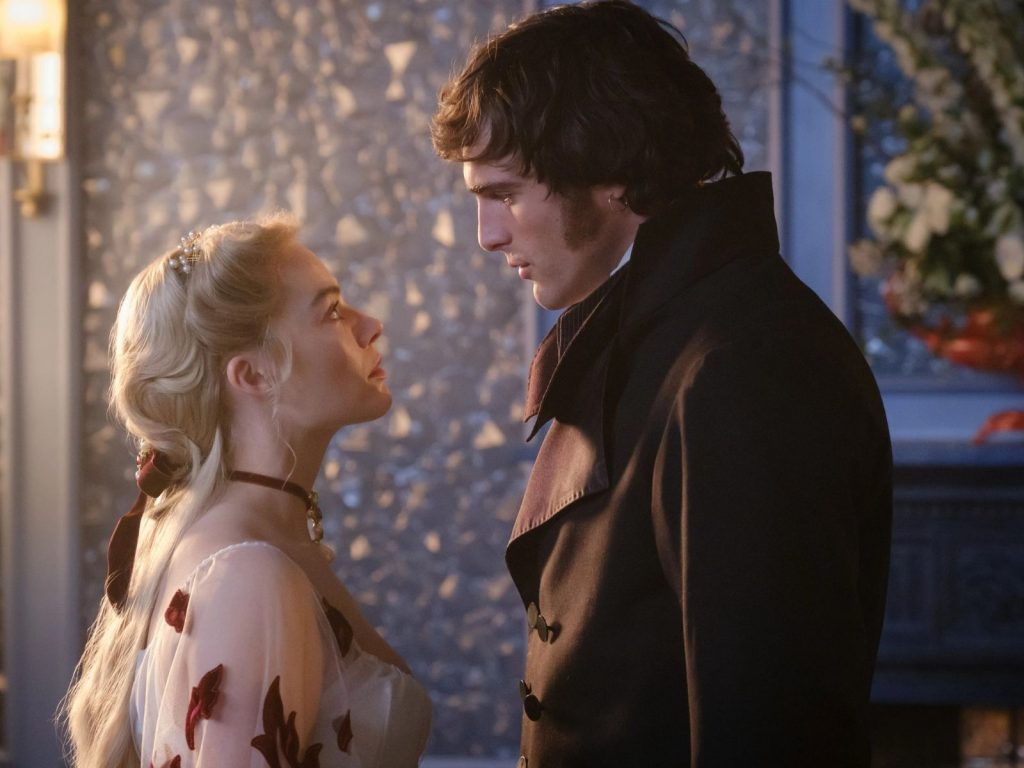
Compared to the romanticized 1939 classic, Wuthering Heights 2026 delves deeper into the dark yet captivating goth aesthetic. The film’s fashion blends Victorian attire with modern cuts, reflecting Catherine’s rebellious spirit and desire to break conventions. This approach creates a powerful visual impact while bringing the film closer to contemporary audiences.
The music is also a key highlight. Instead of relying solely on traditional orchestral music, the film combines modern pop melodies with the dark Gothic atmosphere, creating a cinematic experience that is both novel and liberating. This fusion further emphasizes the “obsessive and frenzied” spirit that the film’s promotional campaign aims for.
The 2026 adaptation of Wuthering Heights is expected to be an intense cinematic feast, where classic literature engages in a direct dialogue with the groundbreaking cinematic thinking of the 21st century. This is not just an adaptation, but Emerald Fennell’s way of redefining the destructive love story, leaving audiences both yearning and fearful of the power of desire and possessiveness.
