

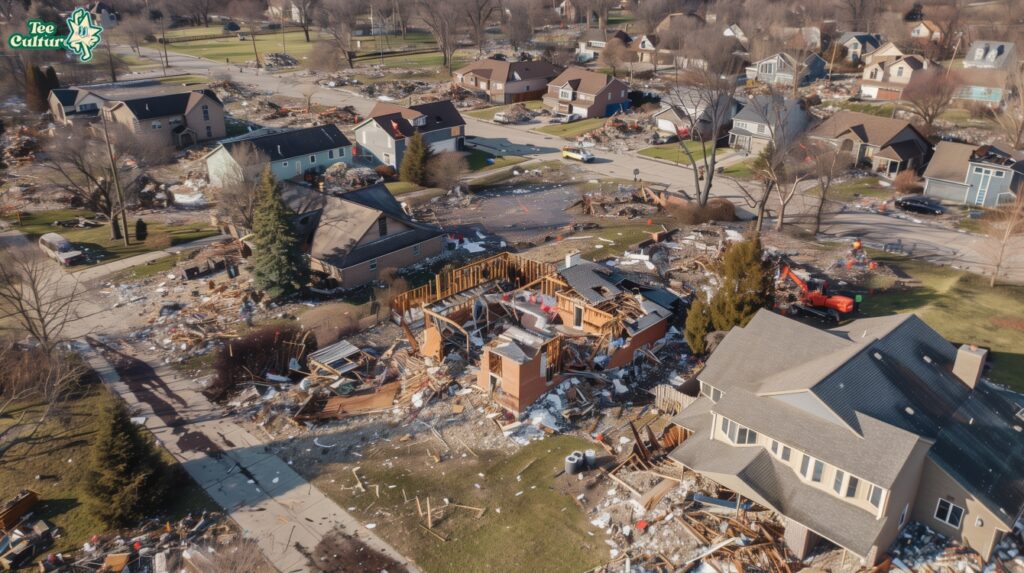
In August 2026, Chicago residents have been on high alert as tornado warnings swept across the region, sparking widespread concern and interest. With reports of significant storm activity leading to actual tornado formations, this trending topic highlights not only the immediate danger to communities but also a broader narrative regarding our changing weather patterns.
The Current Situation in Chicago
As severe storms lash the Chicago area, recent reports confirm multiple tornadoes in locations such as LaSalle and Ransom. The continuous threat of tornadoes has left over half a million residents without power, highlighting the immediate logistical challenges faced by emergency services and homeowners alike. The National Weather Service has heightened alerts, making it crucial for people in and around Chicago to stay informed about the evolving conditions.

Understanding Tornadoes
Tornadoes are rapidly rotating columns of air that extend from thunderstorms to the ground. They are typically spawned by severe thunderstorms and can cause destructive winds exceeding 300 mph. Understanding the conditions that lead to tornado formation is essential for residents who may find themselves in harm’s way.

Why Are Tornadoes Such a Concern This Year?
This year has been particularly notable for tornado activity in Illinois, with some experts referring to it as the “craziest storm season ever.” As climate patterns shift, meteorologists are noting increased instability in the atmosphere, which can result in higher occurrences of severe weather. This situation has prompted increased readiness and safety protocols across the region.

Historical Context of Chicago Tornadoes
While tornadoes are not uncommon in the Midwest, Chicago’s history with them offers valuable context. The city experiences its share of tornadoes, but significant events, such as the infamous 1925 Tri-State Tornado, have left lasting marks on the area’s understanding of storm preparedness and response strategies. The lessons learned from past tornadoes shape the region’s readiness today, especially during high-risk seasons.

Safety Measures During Tornado Warnings
When a tornado warning is issued, quick action is essential. Here are some essential safety tips:

- Seek shelter in a basement or an interior room away from windows.
- Keep a battery-powered weather radio close for real-time updates.
- Have an emergency kit prepared with supplies to last 72 hours.
- Stay informed about weather conditions through local news and weather apps.
Community Preparedness and Response
The response to tornado warnings depends significantly on local disaster preparedness plans. Cities affected by frequent severe weather events often have protocols in place for alerting residents and providing resources. Community education on storm preparedness and safety ensures that residents know where to go and what to do in the event of severe weather.

FAQs
1. What should I do if a tornado warning is issued?
Seek shelter immediately, preferably in a basement or an interior room. Avoid windows and stay tuned to local news for updates.

2. How can I stay informed about severe weather?
Monitor local news stations, weather apps, and radio broadcasts for real-time updates and alerts about storm activity.

3. Are tornadoes expected to become more common?
Changes in climate patterns suggest an increase in severe weather events, but it remains essential to consult meteorological studies for detailed predictions.

As the awareness of tornado risks in Chicago rises, residents are encouraged to stay informed and prepared, reinforcing a culture of safety amid changing weather patterns.
