
Music: A Universal Language
Music is more than just sound; it’s a universal language that connects people across the globe. As we delve into the current music scene, it’s clear that music remains a pivotal aspect of cultural identity and expression in the United States. Recent news about legendary singer Huey Lewis has sparked conversations about the role of music in our lives, especially as he shares his deep personal struggle with hearing loss.
Huey Lewis: A Voice Silenced
In a poignant revelation, Huey Lewis has expressed that music is no longer a part of his life due to his hearing impairment. Despite being a celebrated musician known for hits like “The Power of Love,” he now describes his relationship with music as strained. Lewis’s situation has brought to light the often-overlooked challenges faced by artists, shedding a stark reminder of the fragility of sound and the profound impact it can have on our lives.
New Releases and Musical Diversity
While Lewis navigates his new reality, the music scene continues to flourish. Recently, Billboard celebrated various artists, including YEONJUN, The Rolling Stones, and Beyoncé, inviting fans to vote for their favorite new releases. This vibrant showcase signifies the ongoing evolution of music, reflecting diverse styles and genres. The spirit of music thrives as fans show their passion and support through listening and wearing band merchandise such as hoodies or T-shirts featuring their favorite artists.
Emerging Artists: Breaking Boundaries
The landscape of music isn’t just limited to established names. In a compelling story, an artist in her 70s managed to achieve 60 million streams, thanks largely to music mogul David Foster. Her journey from obscurity to recognition showcases the timeless nature of music. Fans resonate with her experiences and are often found donning collectible apparel that amplifies their support. This emergence of new talent demonstrates that creativity knows no age limits and the music community continues to grow.
The Cultural Significance of Music Merch
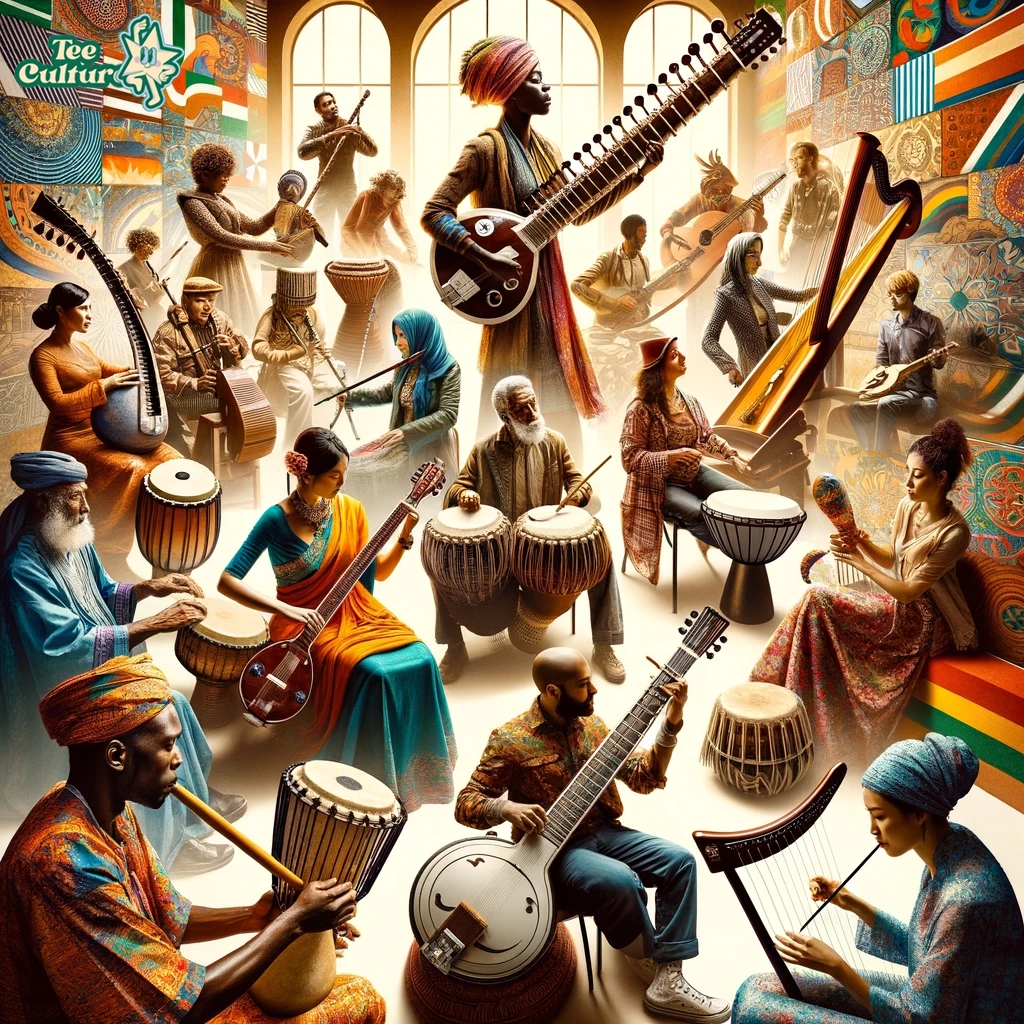
Merchandise related to music isn’t just a trend; it holds cultural significance. Hoodies, jerseys, and collectible apparel allow fans to express their affiliation with artists and genres they love. They serve as walking billboards for musicians and often create a sense of belonging in a community. The connection fans build through this merchandise reflects their passion and support for the music they cherish.
FAQs About Music’s Impact on Culture
1. How does music influence cultural identity?
Music serves as a reflection of cultural values and beliefs, shaping communities by bringing people together through shared tastes and experiences.
2. What role does merchandise play in music culture?
Merchandise provides fans with tangible connections to their favorite artists, allowing them to showcase their loyalty while fostering a sense of community.
3. Why is supporting artists important?
Supporting artists ensures the continuation of diverse voices in music and helps create a thriving ecosystem where creativity can flourish.
As we reflect on the state of music today, it is evident that it continues to be a force of unity and expression. Huey Lewis’s story serves as a poignant reminder of the challenges artists face, but the thriving music community shows this art form’s enduring significance.
