

Decoding Fashion in Bridgerton Season 4: A Symphony of Light, Heritage, and Art
Under the leadership of costume designer John Glaser and a team of over 100 artisans, Bridgerton Season 4 marks a significant transformation with more than 700 exclusive costume designs. Structural couture and architectural design thinking are thoroughly explored, transforming fashion into a rich and layered storytelling language.
Masquerade Ball: A Waltz Between Light and Shadow
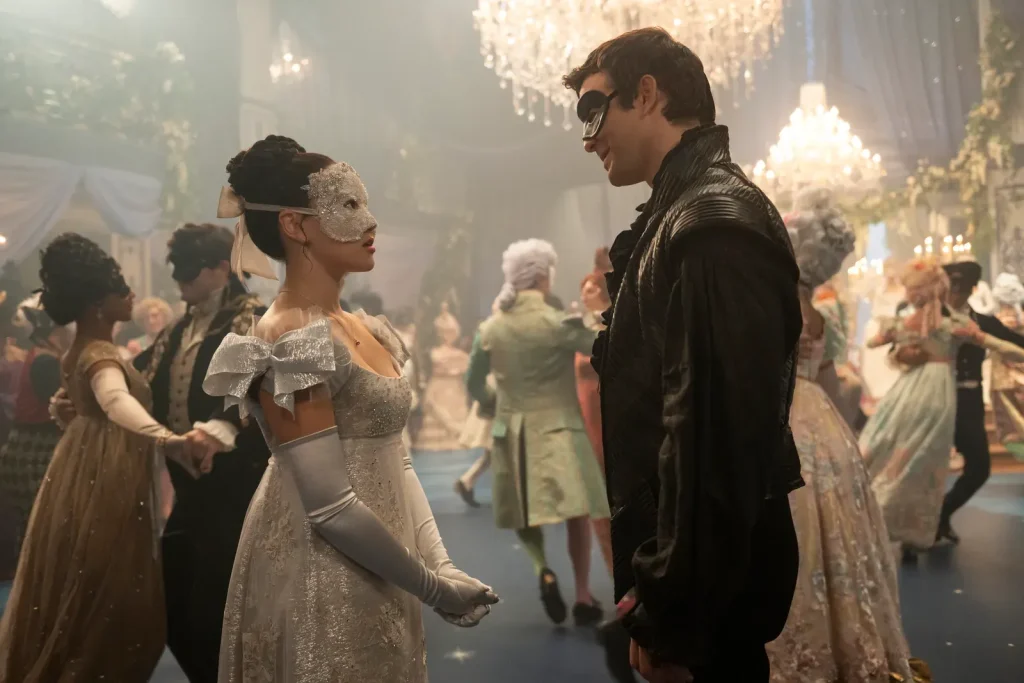
The highlight of the first half of the season is the “Midnight in a Woodland Forest” ball hosted by Violet Bridgerton, inspired by A Midsummer Night’s Dream. Within the masked setting, characters temporarily escape rigid social norms, allowing their inner conflicts and desires to surface through costume.
Sophie Baek – The Light of a Dream
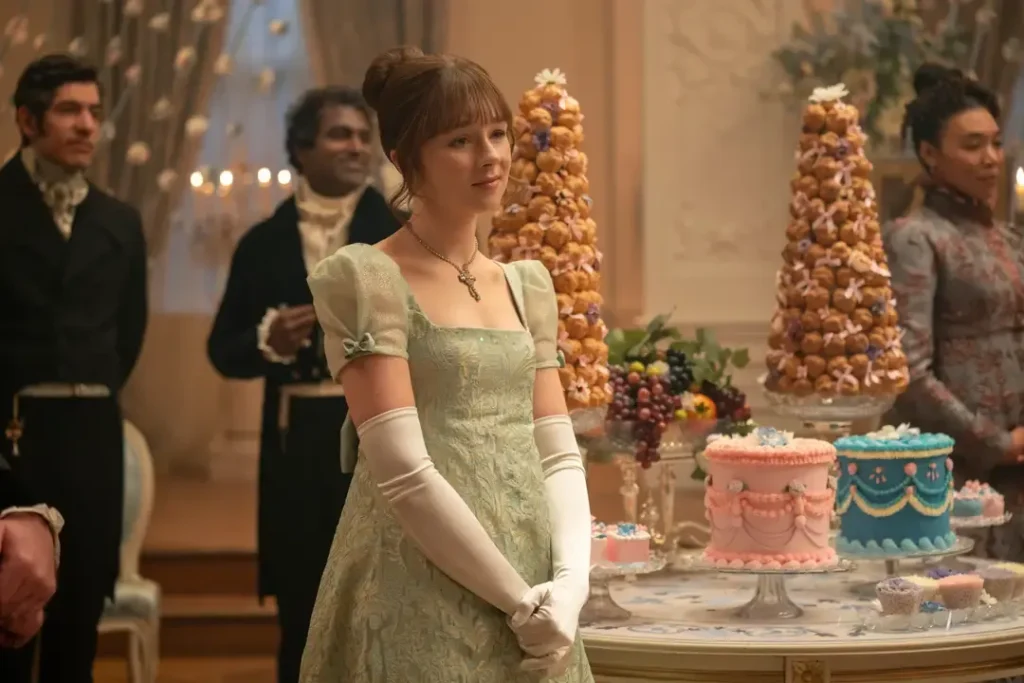
Sophie’s styling subtly echoes the Cinderella motif. She appears in a Regency-era empire-waist gown crafted from silver lamé voile imported from Italy. The reflective fabric intentionally draws light toward her, in poetic contrast to her identity as a maid who longs to remain unseen.
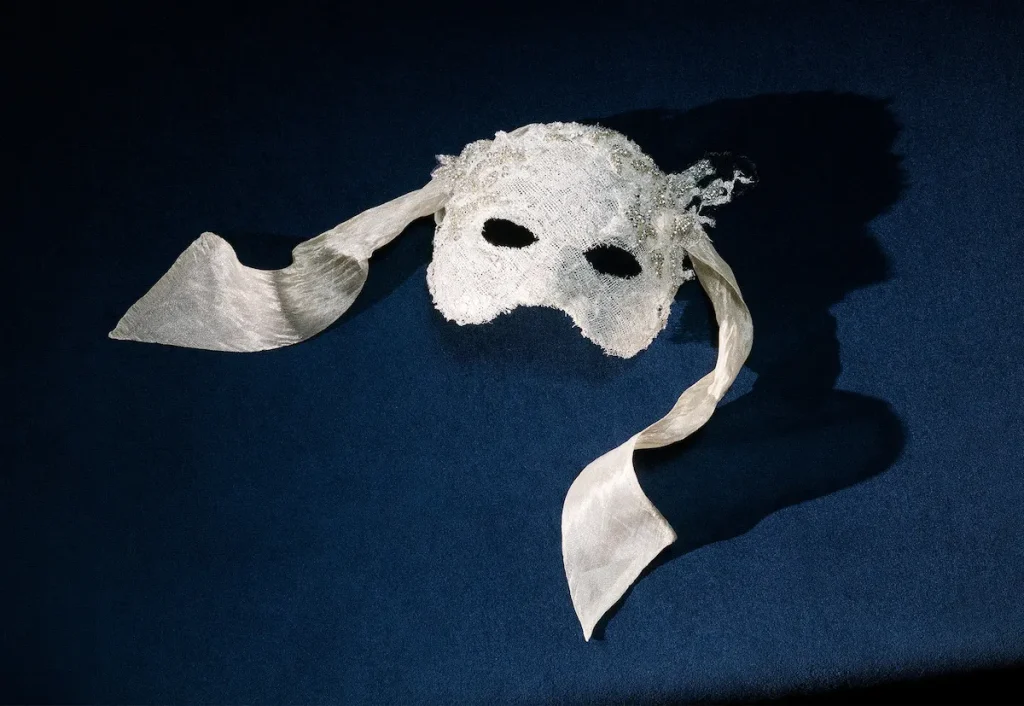
Key accessories include:
• A crystal-embellished lace mask
• Satin gloves embroidered with the Penwood family monogram
• Classic silver heels from Jimmy Choo
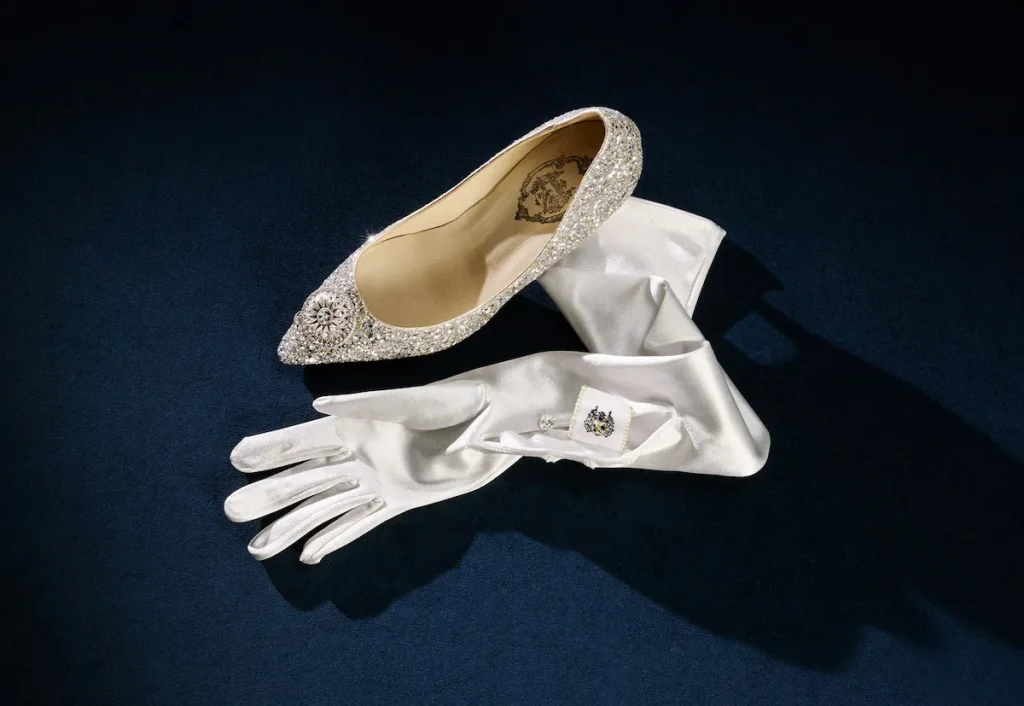
These seemingly “patchwork” elements create a fairytale illusion while subtly grounding the character in reality.
Benedict Bridgerton – The Enchanting Black Trace
In deliberate contrast to Sophie’s luminosity, Benedict Bridgerton embraces a mysterious black palette. His puff-sleeved blouse with casually undone buttons evokes a romantic, almost Lord Byron-esque spirit.
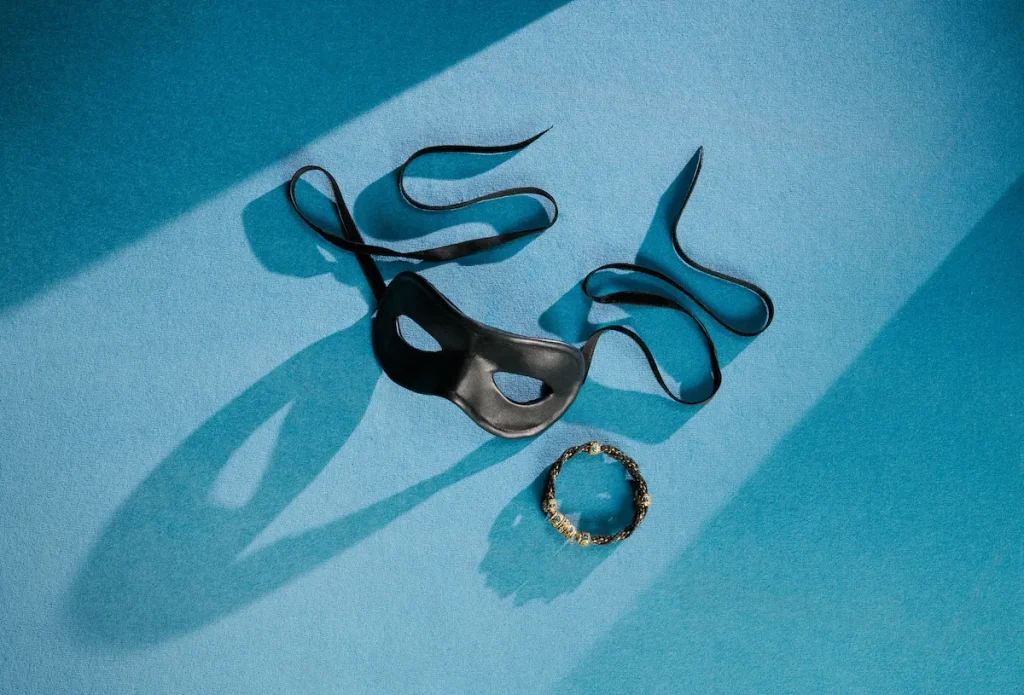
The minimalist domino mask, molded directly from actor Luke Thompson’s face, creates the illusion of a quiet abyss—absorbing light rather than reflecting it.
A Journey Through Asian Heritage
Season 4 expands its cultural depth by celebrating Korean and Chinese heritage through two prominent character arcs. The integration of identity is nuanced and intentional, avoiding cliché while embracing authenticity.
Korean Influences in Sophie’s World
Subtle references to Korean heritage appear throughout Sophie’s styling:
• An amethyst necklace
• A magpie emblem symbolizing good fortune
• Floral motifs inspired by traditional Dancheong decorative art on her father’s garments
These details are delicately woven into the narrative, enriching her character without overt spectacle.
The Gun–Li Family and the Breaking of Prejudice
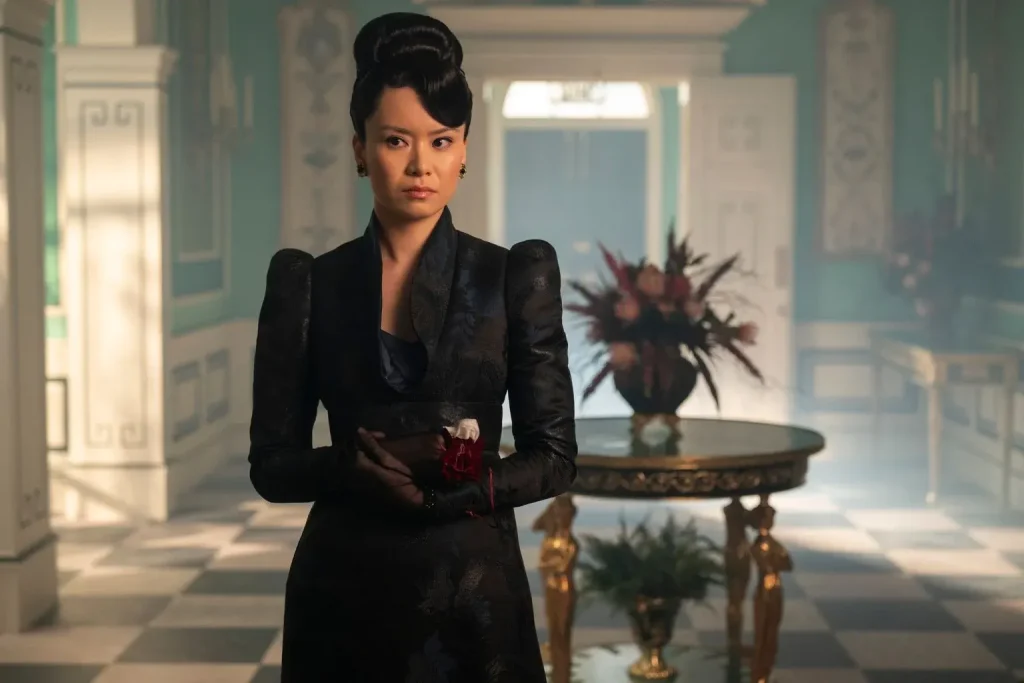
Lady Araminta, portrayed by Katie Leung, deliberately rejects the stereotypical “Dragon Lady” trope. Dragon motifs are completely absent from her wardrobe. Instead, her costumes emphasize:
• Powerful black tones
• Sharp shoulders and high necklines
• Regency silhouettes fused with cheongsam-inspired collars
Posy Li contrasts this severity with vibrant pink ensembles featuring peony and cherry blossom motifs, cheongsam collars, and delicately hand-embroidered silk fans.
The Art of Psychological Reflection Through Fashion
Penelope Bridgerton
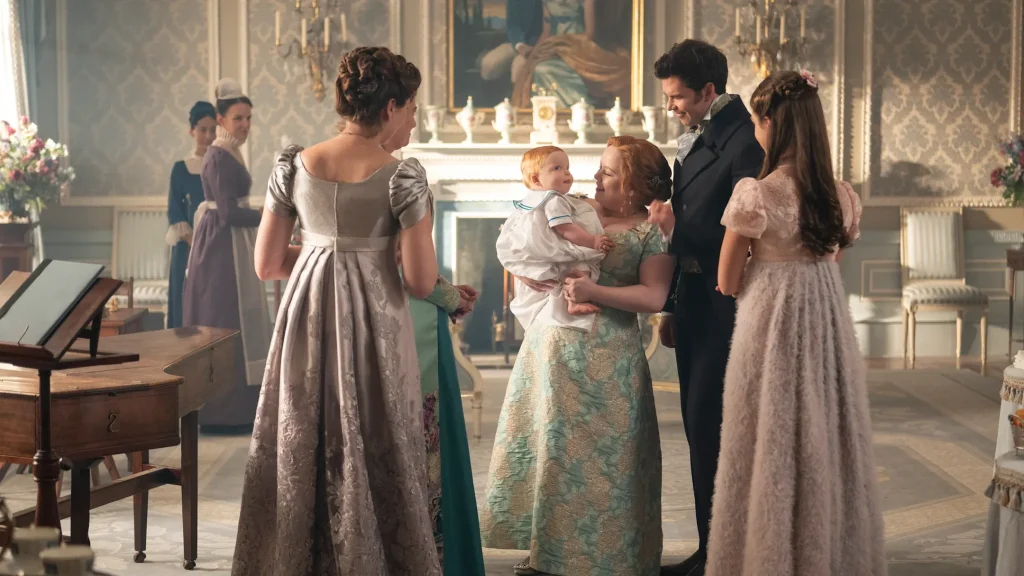
Abandoning the flamboyant palette of the Featherington family, Penelope adopts “Bridgerton Blue” and soft lilac tones—visually signaling her emotional and social integration into the Bridgerton household.
Eloise Bridgerton
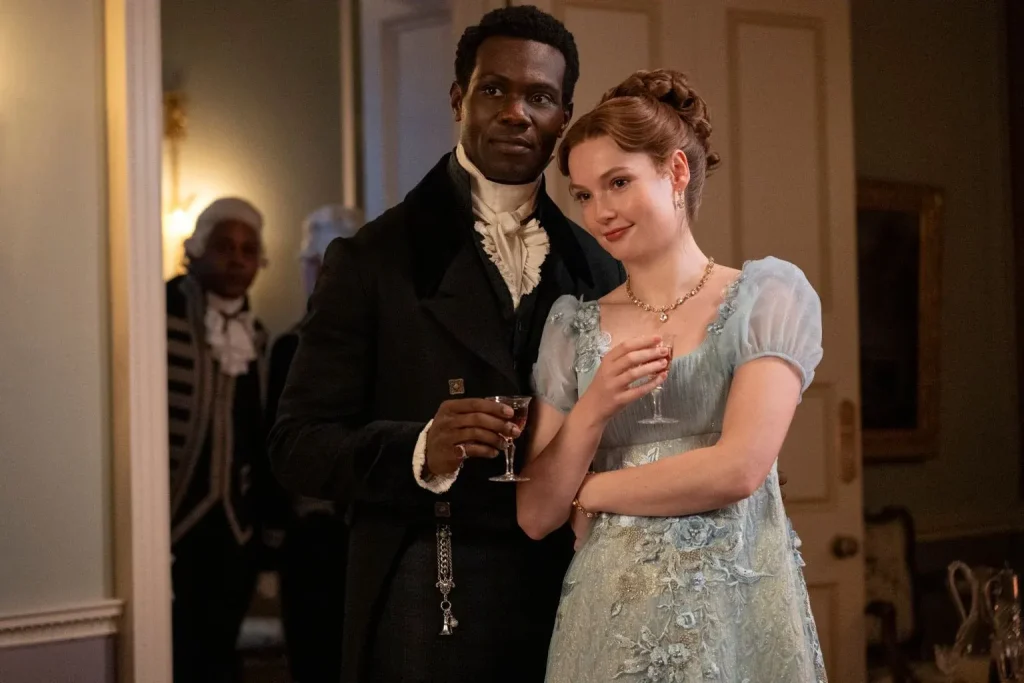
Muted earthy pink shades combined with minimalist makeup by Nic Collins express Eloise’s suffocation and uncertainty under societal pressure to marry.
Hyacinth Bridgerton
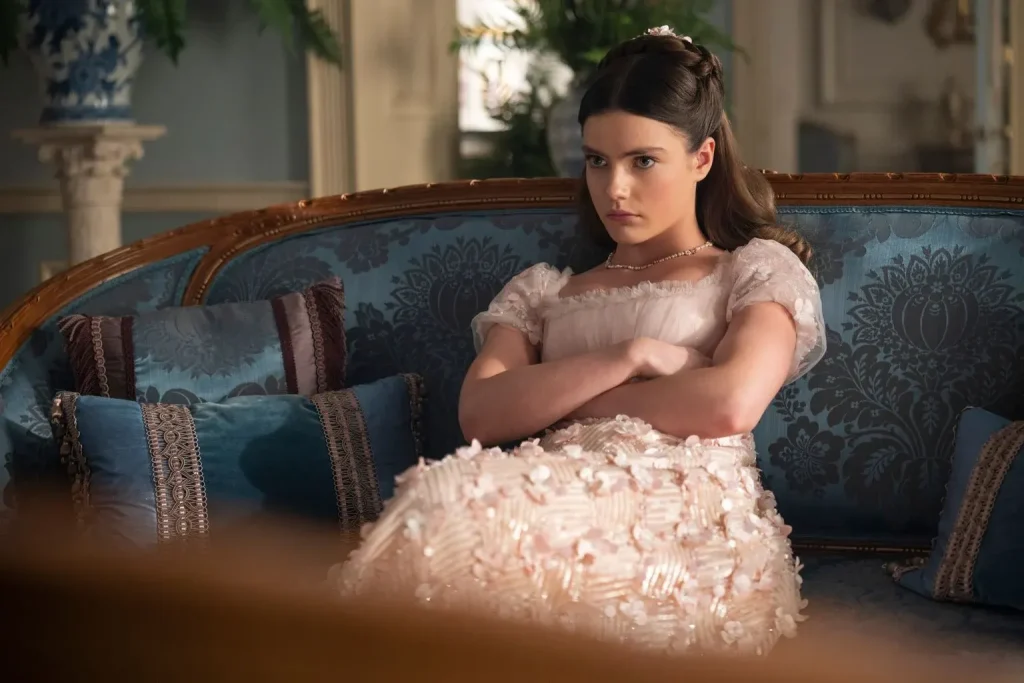
The subtle lowering of her hemline marks a transitional moment—an understated tailoring technique symbolizing her journey from childhood into young womanhood.
Francesca Bridgerton
Pale blue dresses paired with a tailored Spencer coat create a subdued, introspective aesthetic that mirrors a love story both delicate and short-lived.
Queen Charlotte
Queen Charlotte continues her maximalist legacy with the spectacular “Star Constellation” hairstyle, intricately woven from real hair and silver leaves. Encasing a crown within, the design serves as a living monument to King George’s passion for astronomy.
Fashion as a Nonverbal Narrative System
Bridgerton Season 4 proves that costume design transcends visual ornamentation. Through light, structure, texture, and color, fashion becomes a sophisticated nonverbal language—articulating aspiration, identity, emotional conflict, and growth without a single spoken word.
