

The first week of Coachella 2026 (April 11–13) marked a significant shift in performance fashion. Familiar formulas like sequins or Western styles gradually gave way to individuality, cultural diversity, and storytelling on stage.
From bikercore and normcore to designs celebrating Latin and Southeast Asian identity, fashion at Coachella is no longer just a “visual festival” but a powerful personal statement for artists.
KATSEYE
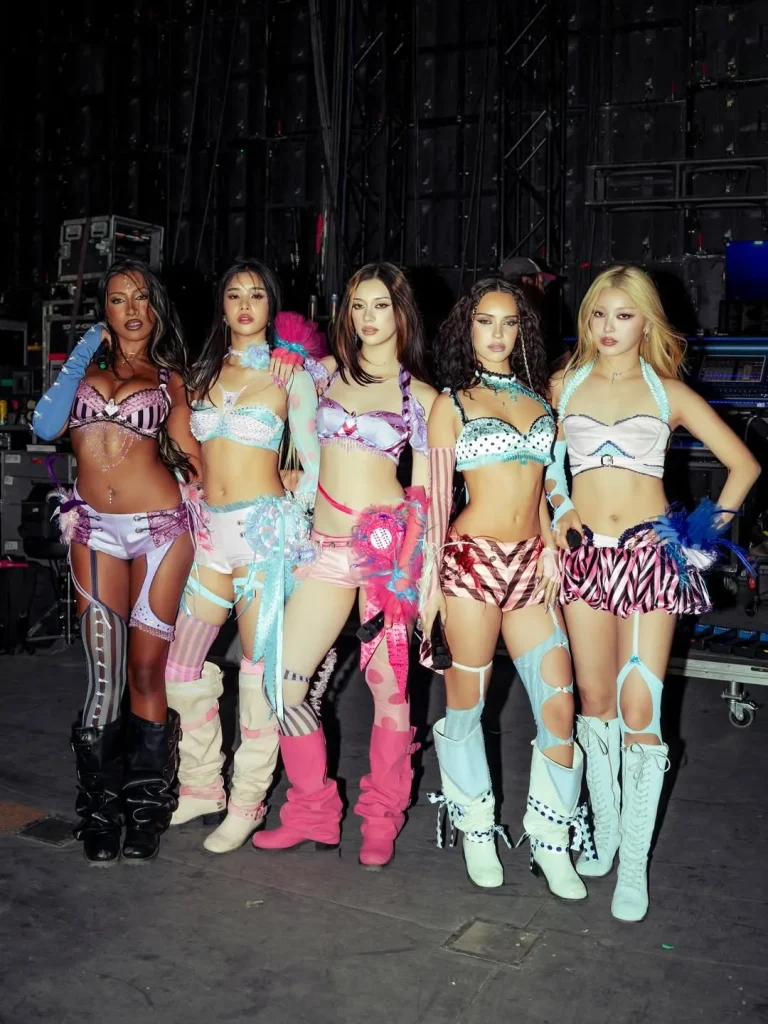
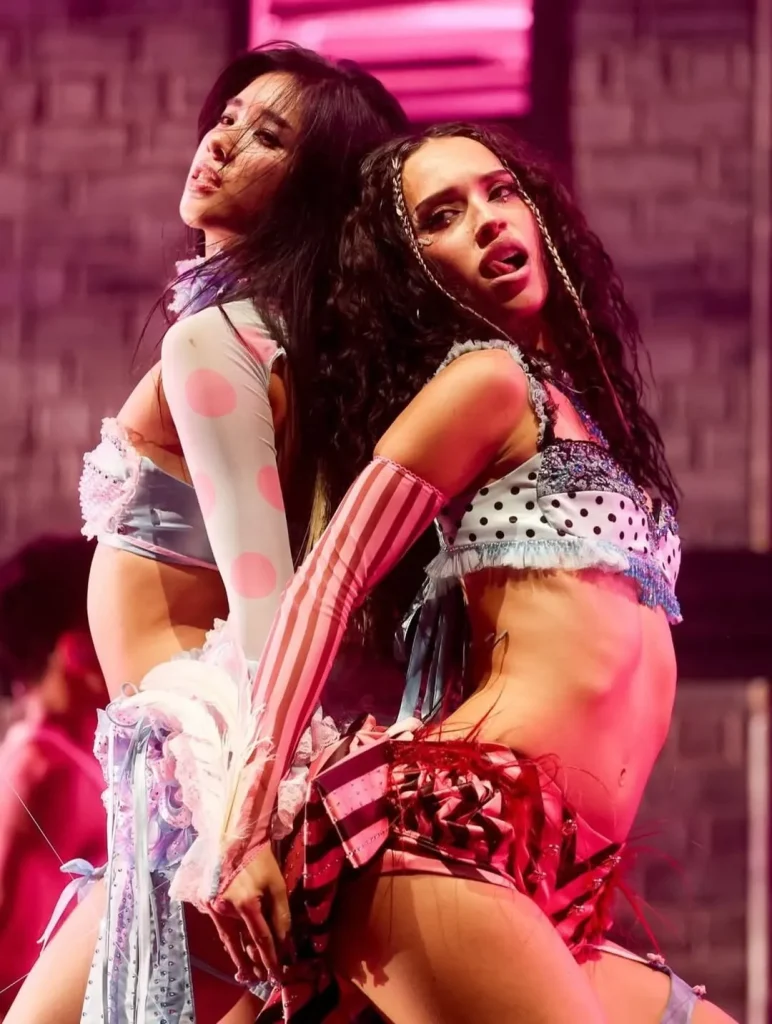
KATSEYE maximized their 45-minute set with a single outfit while still delivering a strong visual impact. Their Y2K-inspired style featured ruffles, layered accessories, and unconventional details.
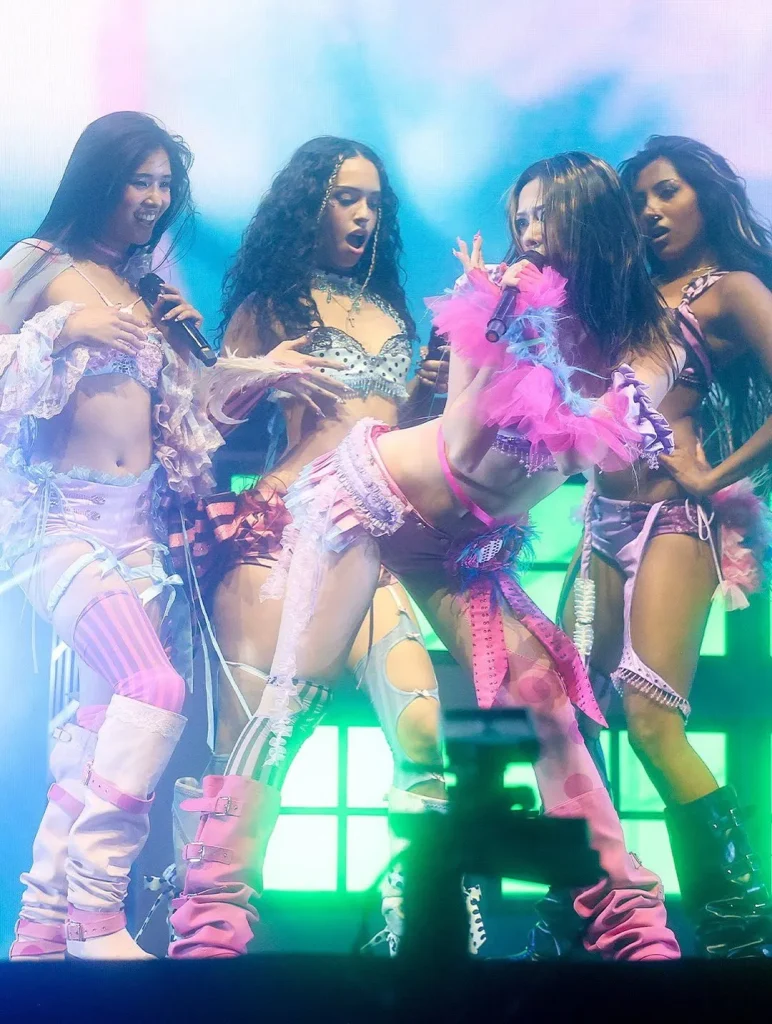
The look was inspired by the “psycho tea party” concept from their single Pinky Up!, custom-designed by Vietnamese brand La Lune. Designer Vickivirus personally crafted many handcrafted elements and experimented with new techniques, marking the first Coachella appearance for both the group and the brand.
BIGBANG
BIGBANG delivered an iconic fashion showcase, blending nostalgia and modern trends for their 20th anniversary.
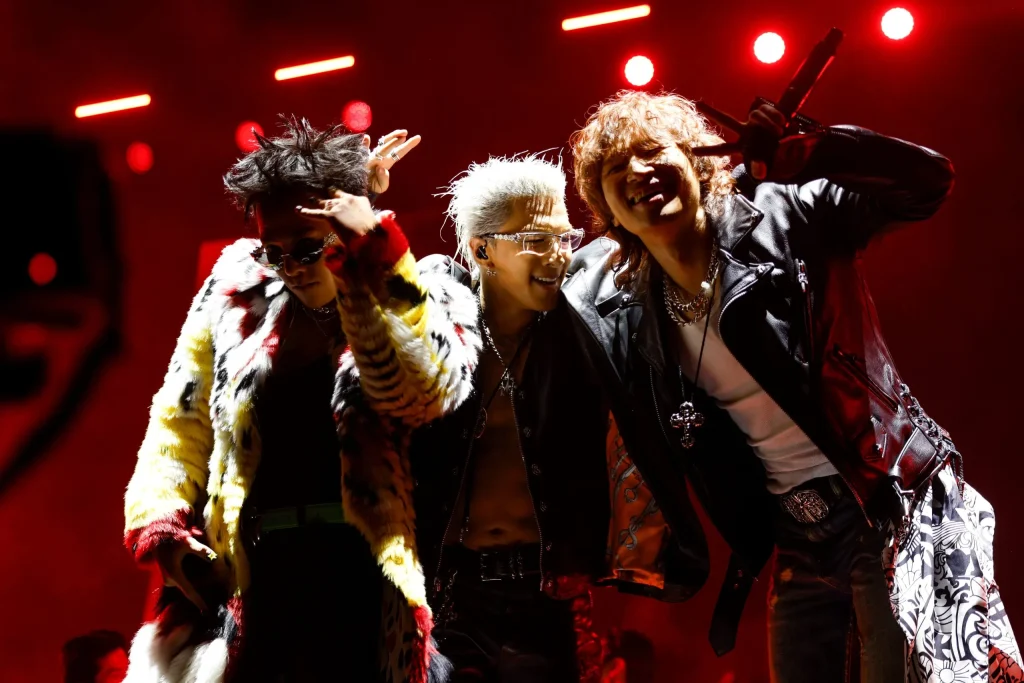
The opening featured rock-inspired leather layering, with Taeyang and Daesung wearing Chrome Hearts, while G-Dragon stood out in a Chanel Fall/Winter 2026 jacket.
Their solo stages highlighted individuality:
Taeyang in a bold 3D cape,
Daesung in a white suit performing trot,
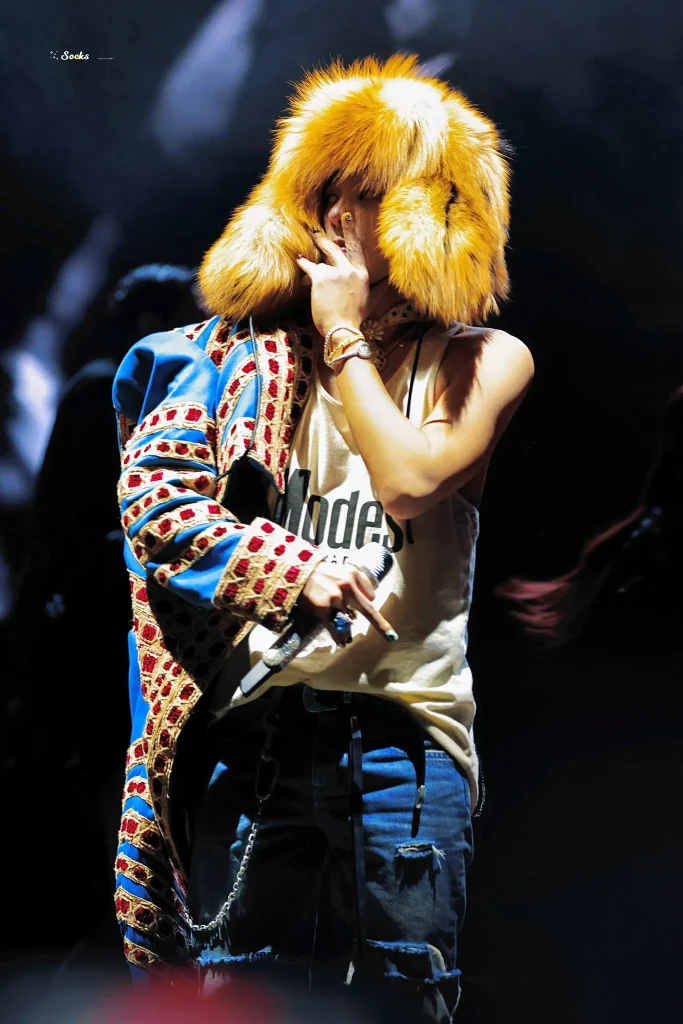
G-Dragon combining a tank top, matador jacket, and luxury accessories.
Ending in a minimalist black-and-white palette, the group proved that style transcends color.
BINI
BINI became the first Filipino act to perform at Coachella, delivering a show rich in cultural identity.
Their gold armor outfits incorporated real gold leaf and recycled plastic, featuring Calado techniques and traditional patterns, paired with the iconic Salakot hat.
They later transitioned into mermaid-inspired looks using Banig (woven mat material), transforming everyday elements into performance art. The preparation process took four months.
Sabrina Carpenter
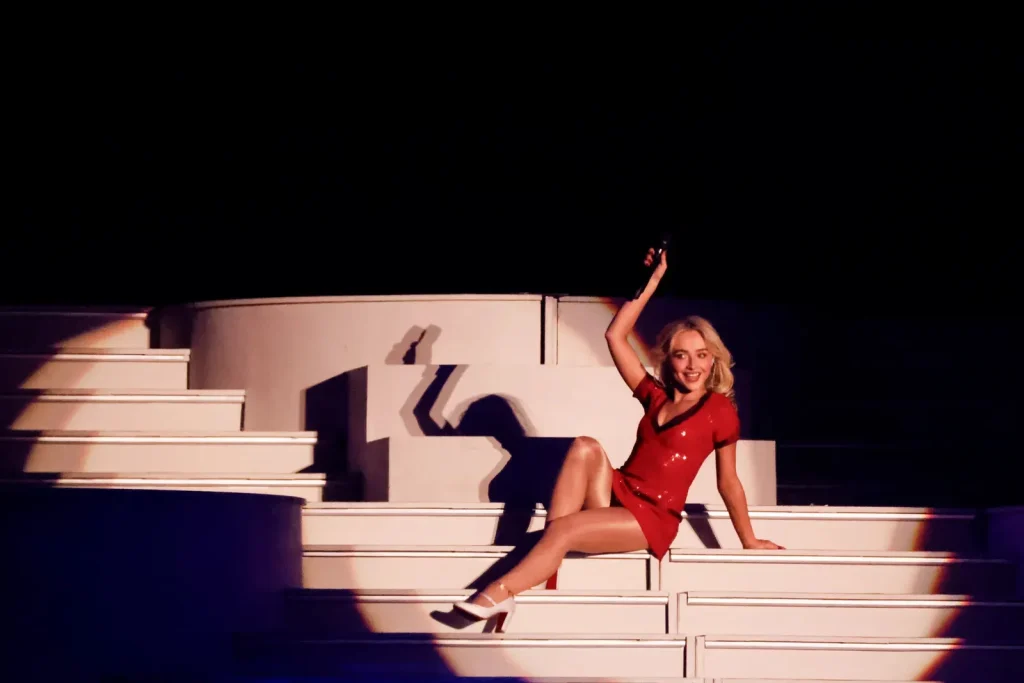
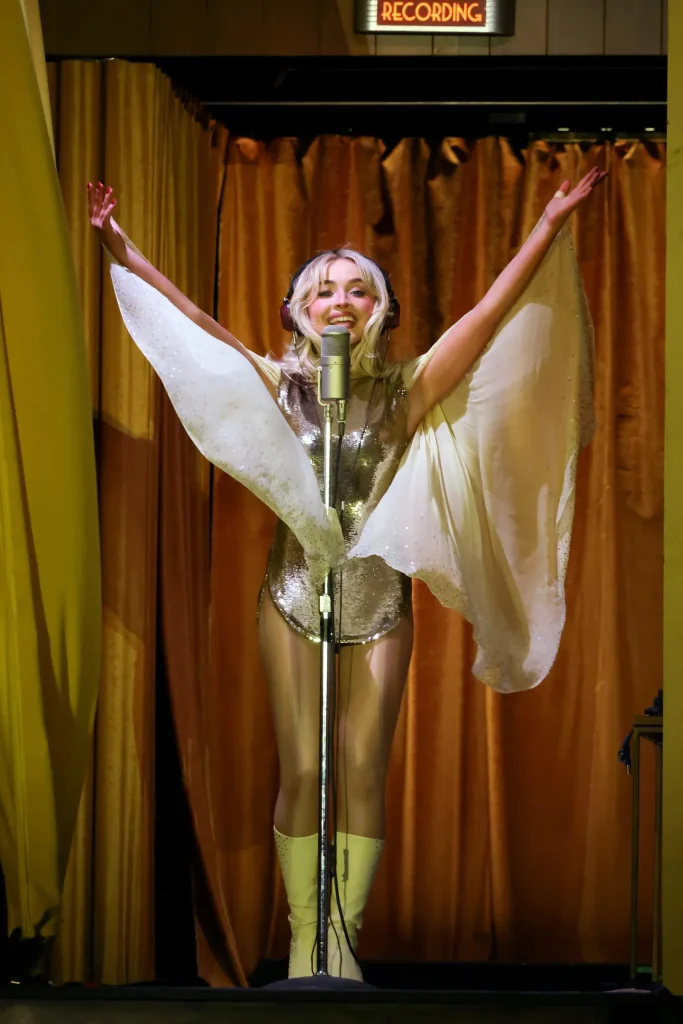
Sabrina Carpenter rose to headliner status with an Old Hollywood-inspired concept, custom-designed by Dior.
Key looks included:
Red sequin mini dress (opening),
Gold puff-sleeve outfit,
White lingerie-inspired set,
Avant-garde lace bodysuit (finale).
She successfully elevated lingerie aesthetics into high-fashion performance wear.
Justin Bieber
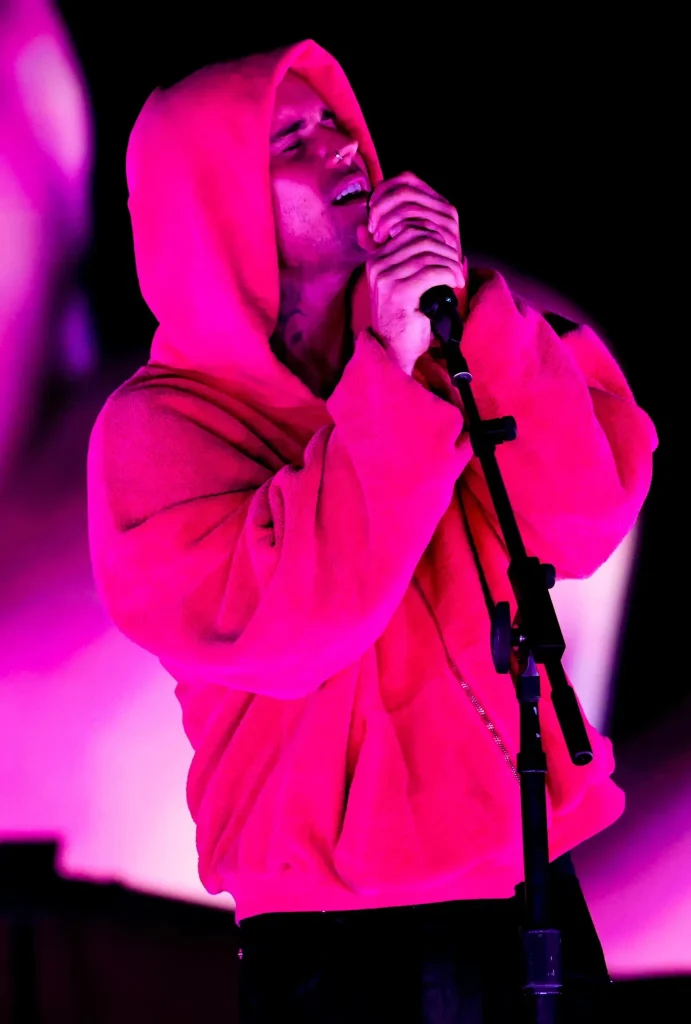
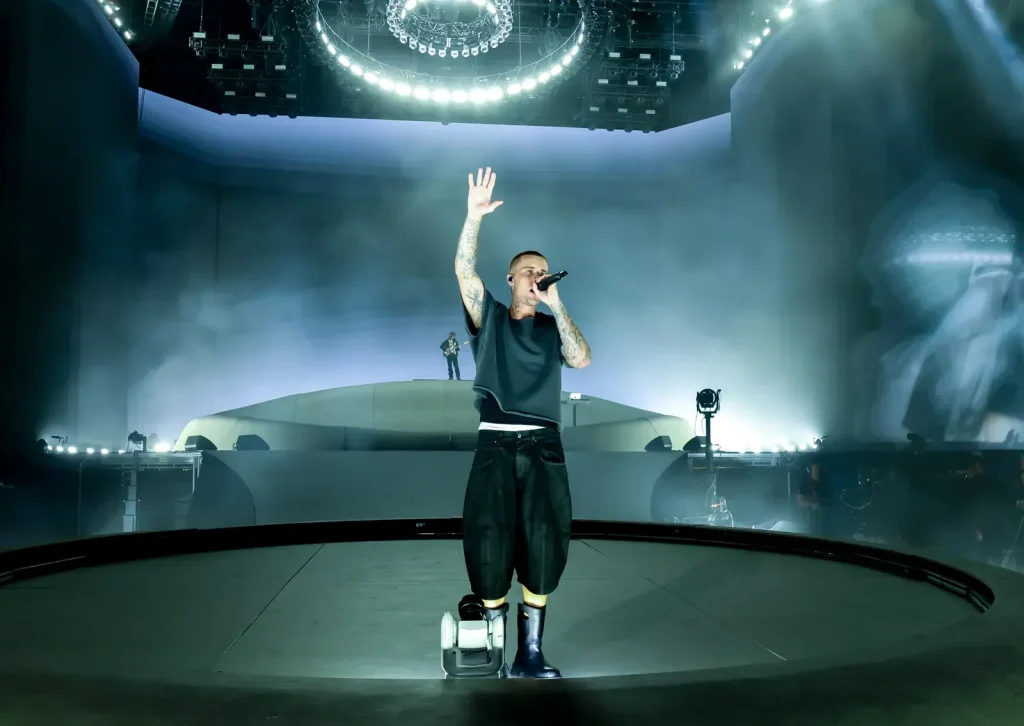
Justin Bieber captured attention with a minimalist streetwear approach.
His look included a boxy t-shirt, red hoodie, and shorts, featuring pieces from Vietnamese brand GRENADE, paired with Loewe boots.
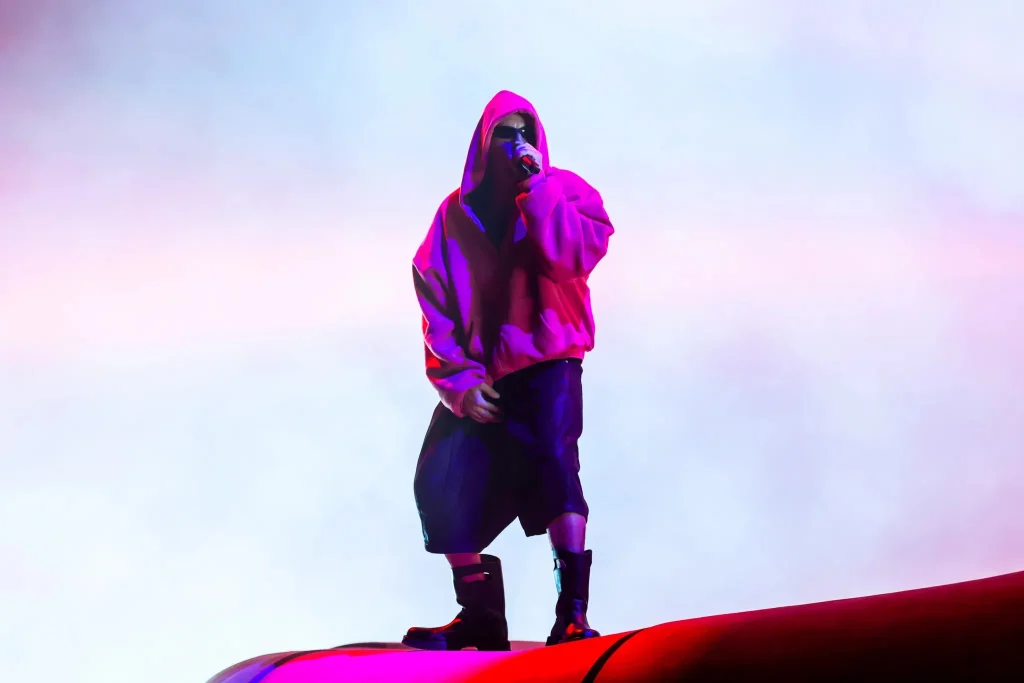
Without complex layering, he still delivered strong impact through authentic personal style, reinforcing his recent minimalist direction.
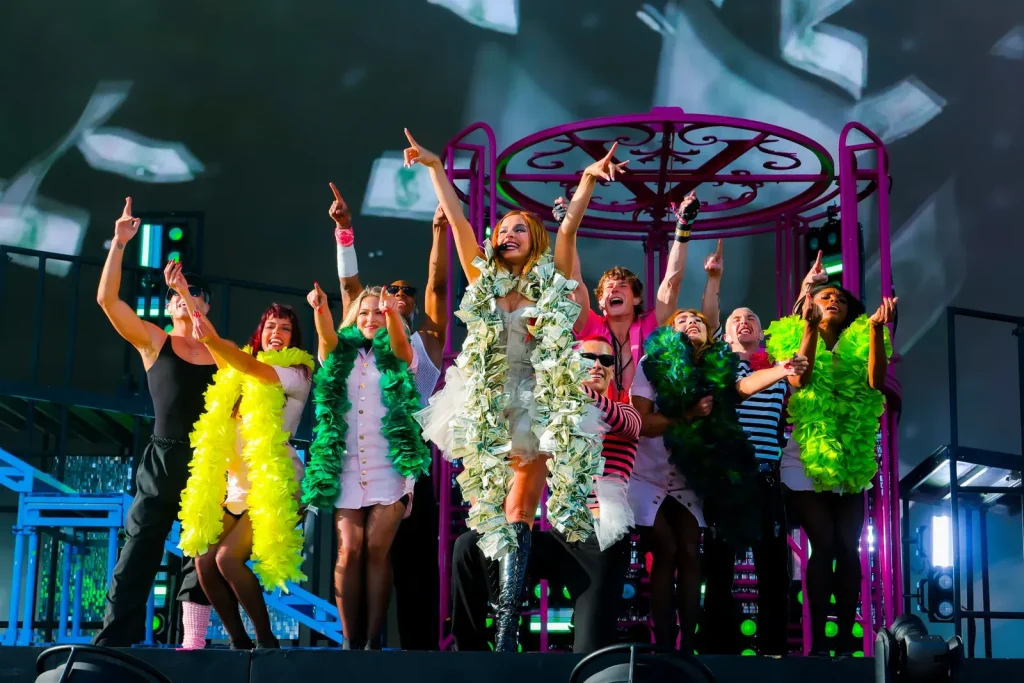
Addison Rae
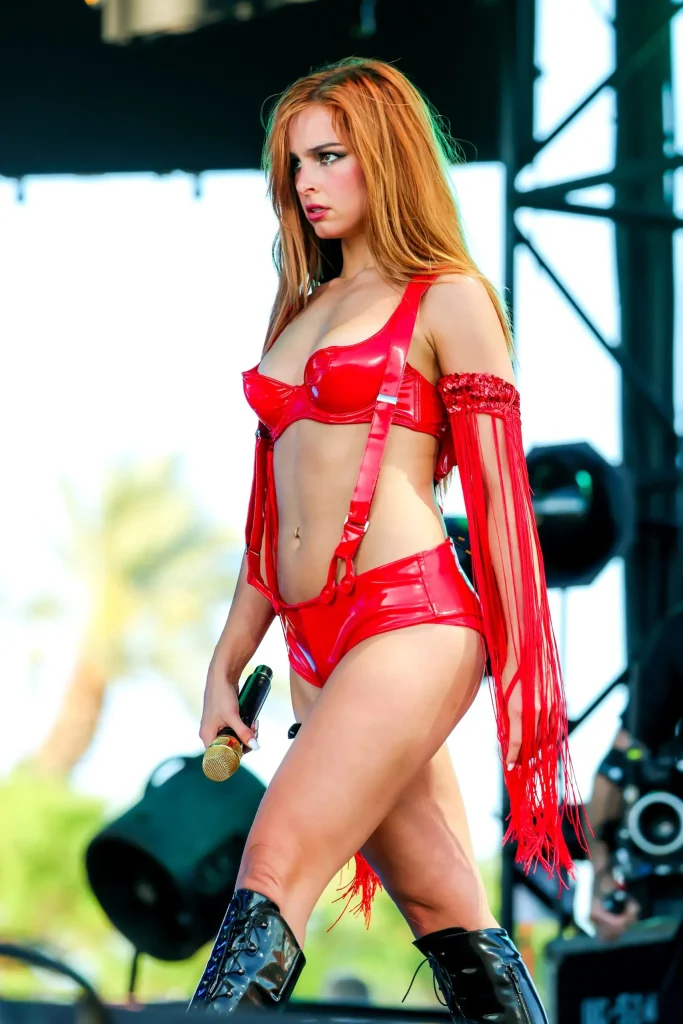
Addison Rae returned with “The Fame and Glory Show”, focusing on choreography and bold visuals.
Highlights included:
Deconstructed tutu dress,
Money-print scarf,
Fuchsia leather jacket,
Red leather outfit with black boots.
Her style reflects a rebellious and experimental identity.
Karol G
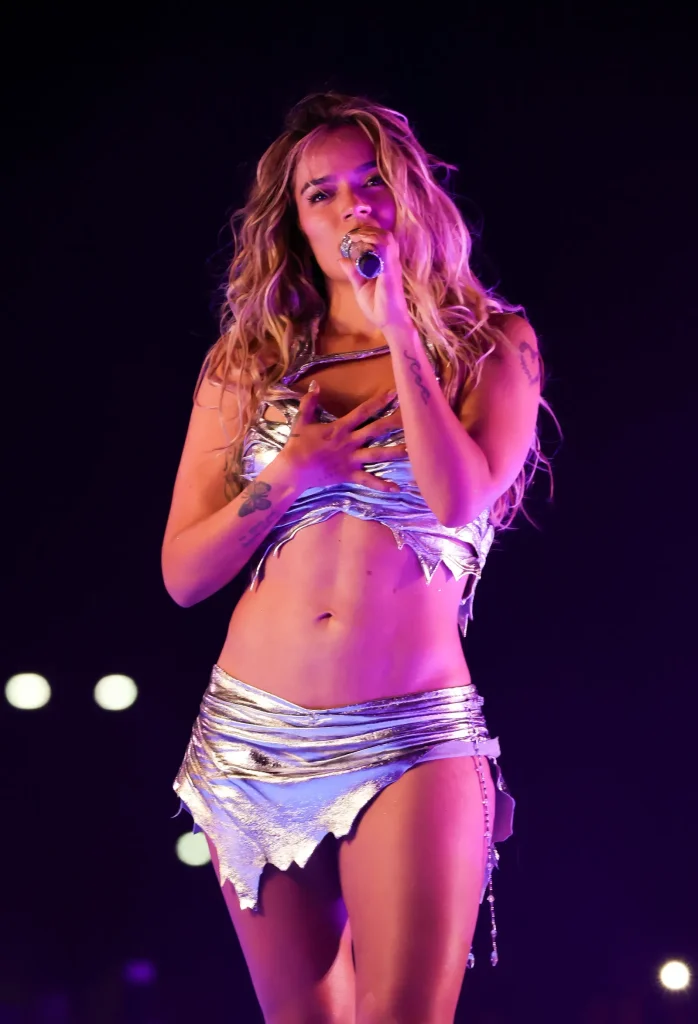
Karol G, the first Latina female headliner, delivered a performance celebrating Latin American culture.
Her looks featured:
“Tropicoqueta” colorful aesthetic,
Blue lace crystal-embellished set,
Mariachi-inspired elements,
Large feathered headpiece,
White outfit honoring the Colombian flag.
She blended tradition and modern pop seamlessly, creating a visually striking experience.
Conclusion
Coachella 2026 Week 1 highlighted a major evolution in festival fashion:
Fashion is storytelling, not just aesthetics
Cultural identity takes center stage
Individuality surpasses trend formulas
Fashion enthusiasts are now eagerly anticipating what Week 2 of Coachella 2026 will bring.
