

Hoppers
Genre: Comedy, Animation, Family, Science Fiction
Hoppers is receiving much praise from audiences and critics for its humorous storytelling while still delivering multiple layers of deeper meaning. Beneath the lighthearted surface lies a thoughtful exploration of humanity’s relationship with nature.
Hoppers – Pixar’s Big Hit in Recent Years
After reaching its peak with masterpieces like Coco (2017), Pixar was once considered to be facing a creative slowdown and relying heavily on older franchises. Meanwhile, audiences in recent years have talked more about projects from Disney and Sony.
However, Pixar once again proves itself to be a formidable force in the animation industry with its latest original film, Hoppers.
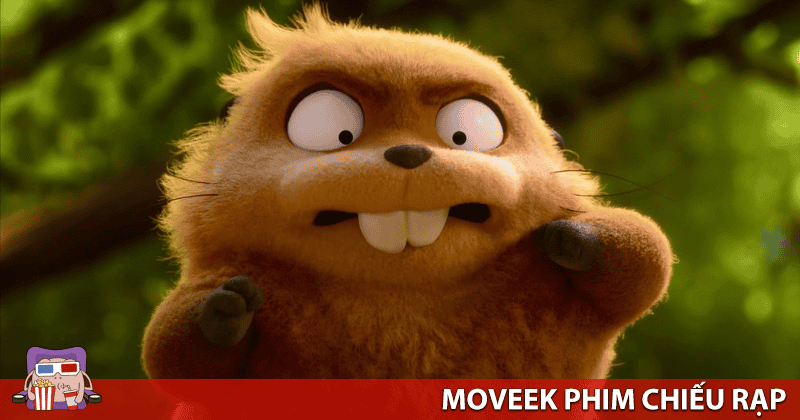
The film opened with an impressive $88 million global box office during its first weekend:
$46 million in North America
$42 million in international markets
This marks the best opening weekend for a Pixar original film since Coco (2017). Previously, many recent original projects from the studio had modest openings:
Elemental (2023): $29.6 million domestically
Elio (2025): $20.8 million, considered a box office disappointment
According to Variety, with the strong response from both critics and audiences, Hoppers has the potential to become Pixar’s most successful original animated film of the decade.
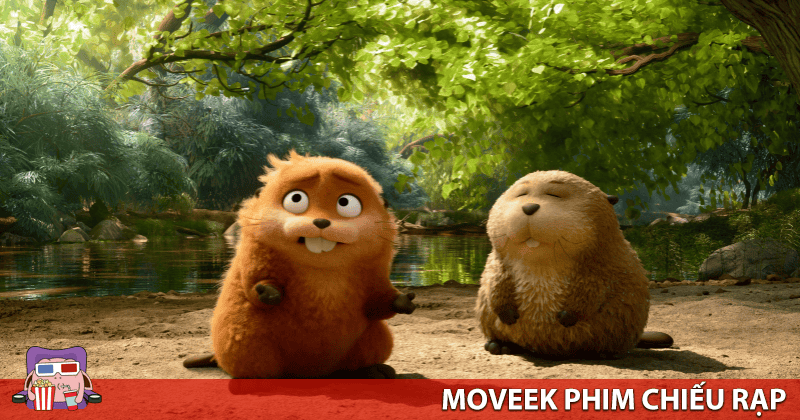
Main Plot
The story of Hoppers revolves around Mabel, a nature-loving girl determined to prevent her beloved forest from being turned into concrete developments.
By chance, Mabel discovers a groundbreaking technology that allows human consciousness to be transferred into robotic animals. Using this technology, she enters the body of a beaver and steps directly into the natural world, eventually becoming involved in a major conflict to protect the forest.
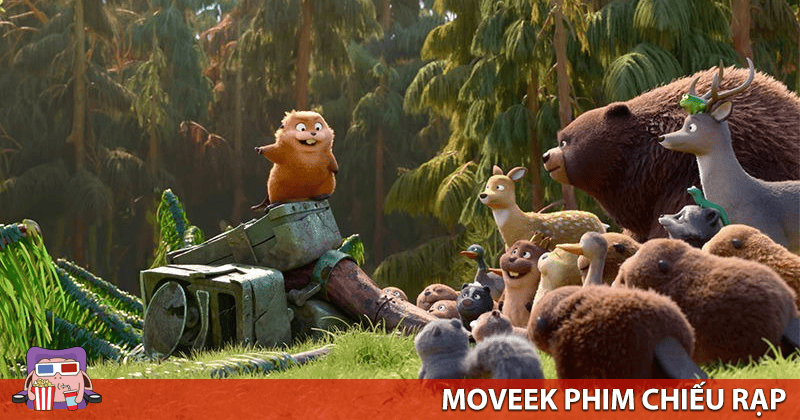
Many viewers have compared the concept to “Avatar in beaver form.”
The Harsh Laws of Survival in Nature
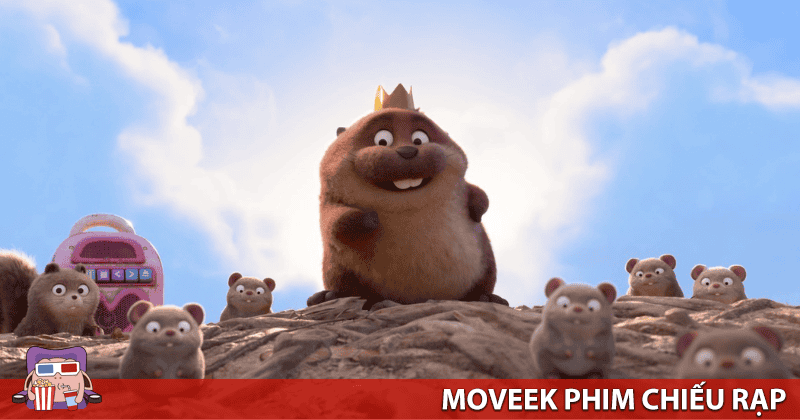
In the body of a chubby beaver, Mabel travels to a forest pond in search of other beavers. After saving one from a giant bear, she experiences a moment of “culture shock” when she learns that she has violated the pond’s fundamental rule.
The pond’s law states:
If a predator is hungry and wants to eat you, your role is simply to accept it.
From a human perspective, this rule may sound cruel. However, in nature, it represents the natural order of the food chain, where every species accepts its place in maintaining ecological balance.
Because she broke this law, Mabel must meet King George, the ruler of the mammals in the region, to face judgment. Fortunately for her, George is a compassionate leader and quickly forgives her.
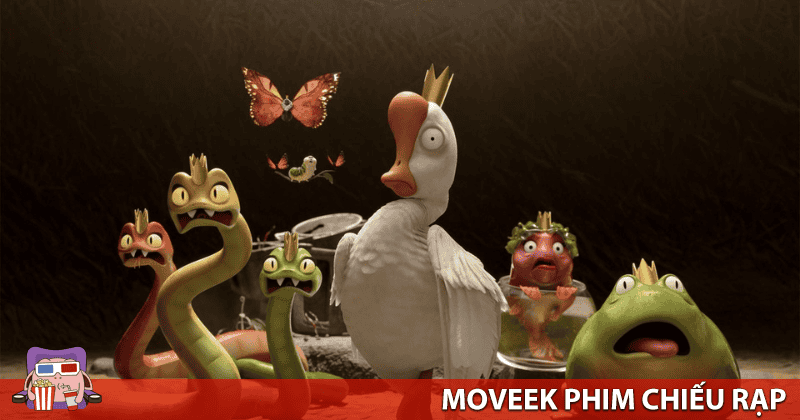
However, had she fallen into the hands of the Insect Queen, the consequences might have been far harsher. Mabel’s actions, though morally right by human standards, unintentionally disrupted the natural balance.
There Is No “Savior” of Nature
Hoppers shares some similarities with James Cameron’s Avatar, where a human transfers consciousness into another species.
However, instead of portraying a heroic outsider who saves the native world, Mabel’s journey is far more complex and nuanced.

Mabel is only 19 years old, full of passion but also impulsive. She uses the hopper technology despite warnings from scientists.
In her mind, Mayor Jerry is the clear villain responsible for the destruction of the forest.
Mabel believes that bringing back the beavers — often described as “ecological architects” — will automatically restore the forest ecosystem.
However, she views nature through a human-centered perspective, assuming she fully understands how it works.
Her seemingly noble actions eventually provoke the animal world and spark a major conflict.
The film ultimately suggests a powerful idea:
Nature does not need a savior — even one with good intentions.
To Protect Nature, One Must First Understand It
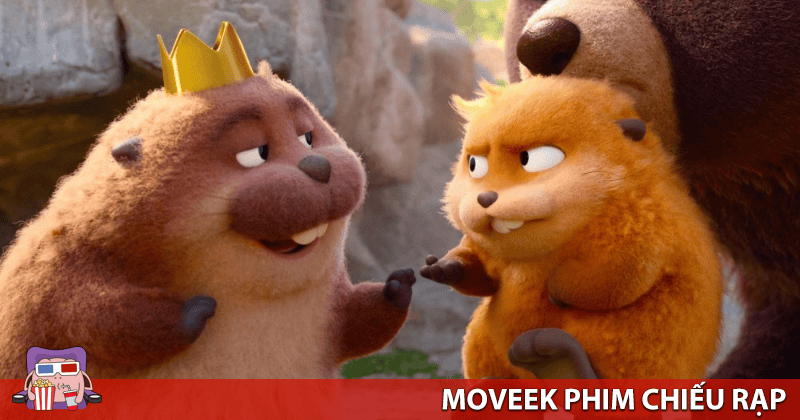
The most beloved character in the film is not Mabel, but King George.
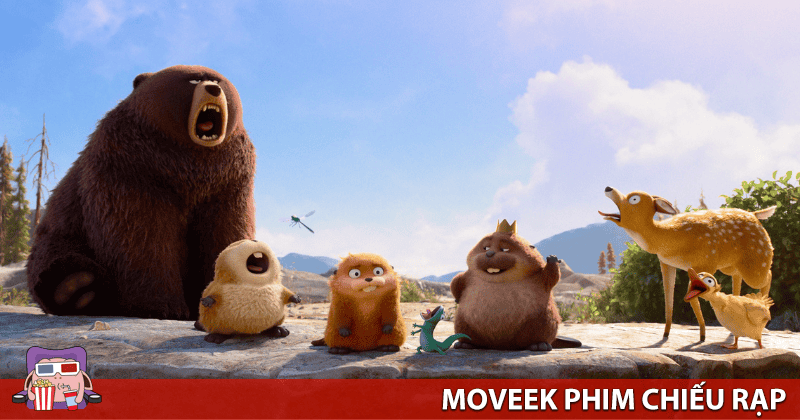
George is a gentle and wise beaver who cares deeply for all living creatures, including humans. He welcomes various species into the pond even though the area is already overcrowded.
Despite Mabel violating the pond’s laws, George forgives her and quickly forms a strong bond with her.
In the human world, a king like George might seem overly idealistic. Yet within the natural ecosystem, he represents a leader who truly understands how the animal world functions.
Through her interactions with George, Mabel gradually matures and realizes an important truth:
Nature is far more complex than she once believed.
Every species — including humans — has its own role and survival needs within the ecosystem.
The Earth Is Truly Beautiful Only When All Species Coexist
Near the end of the film, the antagonist Titus exploits the hopper technology to manipulate both humans and animals.
This technology was originally designed to help humans understand the natural world. However, in the wrong hands, it becomes a tool for control and domination.
Pixar raises an important philosophical question:
Does technology bring humans closer to nature, or does it simply give humans another way to dominate it?
After the final confrontation, the hopper technology is permanently eliminated to prevent further misuse.
This means Mabel can no longer communicate directly with King George.
Yet years later, they still find new ways to stay connected.
Mabel grows up to become a bridge between humanity and nature, continuing her mission of environmental protection. Even Mayor Jerry begins to rethink how the city should coexist with the surrounding forest.

The Film’s Message
The film concludes without declaring a winner or loser. Instead, Pixar leaves audiences with a powerful message:
Humans are not the masters of Earth.
We are only one part of a vast ecosystem.
Only by learning to coexist with other species can we truly protect this planet.
Beneath its humorous and child-friendly adventure, Hoppers offers adults a deeper reflection — an allegory about nature and humanity’s responsibility toward the environment.
While it may not be Pixar’s greatest masterpiece, Hoppers is still considered one of the studio’s most unique nature-themed stories.
